If affiliate marketing were as easy as dropping links and waiting for commissions to roll in, everyone would be sipping coconut water on a beach by now. But if you’ve tried affiliate marketing before, you already know the reality: traffic comes in, links get clicked… and your earnings dashboard stays suspiciously quiet. The problem usually isn’t effort—it’s strategy. Most affiliates are doing something, just not the right things. They’re promoting too early, chasing every shiny platform, or copying tactics that worked once in 2019 and never again. Affiliate marketing still works—very well, actually—but only when you use strategies designed to convert real humans, not just impress algorithms.
Here’s the good news: you don’t need a massive following, fancy tech skills, or 14 browser tabs open at all times to make affiliate marketing profitable. What you do need are proven affiliate marketing strategies that focus on trust, relevance, and timing. The kind that gently guide people toward a solution instead of shouting “BUY THIS!” at strangers on the internet. When done correctly, affiliate marketing becomes less about selling and more about helping—helping your audience solve problems while earning commissions in the process. (Yes, it’s possible to do both without feeling awkward.)
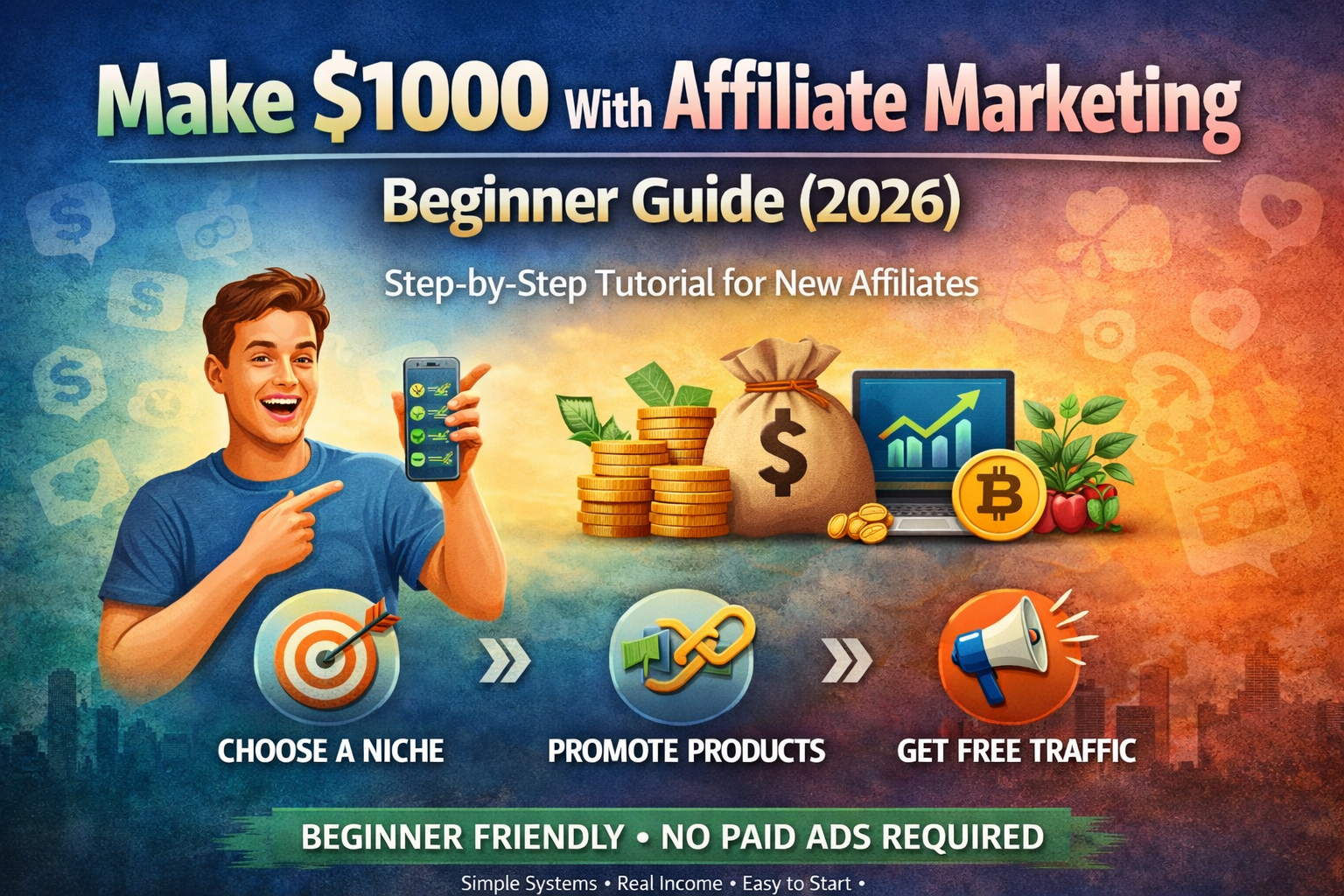
In this guide, we’ll break down 7 proven affiliate marketing strategies that actually convert—not theory, not hype, and definitely not “just go viral” advice. These are practical strategies used by successful affiliates to turn clicks into commissions consistently. Whether you’re just starting out or tired of doing everything except making sales, this article will show you what works today, why it works, and how you can apply it immediately. Let’s get into it—minus the fluff and plus the results.
My Best Recommended & Proven Way to Make $100-$300 Daily – Watch This FREE Video to START >>>
Build Trust Before You Ever Drop a Link
In affiliate marketing, trust isn’t a “nice-to-have”—it’s the entire business model. Think about it: no one wakes up excited to click a random link from someone they don’t trust. Yet many affiliates treat links like confetti, tossing them everywhere and hoping one magically turns into a commission. Spoiler alert: it rarely does. People buy from sources they trust, not from accounts that feel like a walking billboard. If your audience doesn’t believe you have their best interest at heart, your affiliate link might as well be invisible.
Building trust starts long before you ever mention a product. It’s about showing up consistently with helpful, honest, and relevant content that proves you actually understand the problems your audience is trying to solve. Share tips, insights, mistakes you’ve made, lessons you’ve learned—especially the messy parts. That transparency signals credibility. Whether you’re building a personal brand or running a faceless page, the goal is the same: position yourself as a reliable guide, not a pushy salesperson. When people feel helped, they stick around. When they stick around, they listen. And when they listen, conversions happen naturally.
Once trust is established, affiliate links stop feeling like ads and start feeling like recommendations. That’s the sweet spot. This is where you explain why you’re recommending a product, who it’s for, and—just as importantly—who it’s not for. Being honest about limitations builds even more trust (and saves you from refund drama later). And yes, always disclose that it’s an affiliate link—transparency doesn’t hurt conversions; it boosts them. When your audience believes you’re not just chasing commissions, clicking your link feels less like a risk and more like a smart decision. And that’s when affiliate marketing actually starts to work.
Promote Solutions, Not Products
Here’s a hard truth most affiliates learn the slow way: people don’t wake up wanting to buy products—they wake up wanting their problems gone. No one is emotionally attached to a software tool, a course, or a shiny new platform. They’re attached to outcomes. More money. Less stress. More time. Fewer “why isn’t this working?” moments at 2 a.m. When affiliate marketing focuses too much on features and not enough on solutions, it turns into noise. And the internet already has plenty of that.
The key to higher affiliate conversions is understanding what your audience is actually struggling with. Are they overwhelmed by too many tools? Confused about where to start? Tired of trying strategies that work for everyone else but not for them? Once you identify that core frustration, your content should revolve around it. Instead of saying, “This product has amazing features,” you say, “This is how I solved this exact problem—and here’s what finally worked.” Suddenly, you’re not selling anything. You’re sharing a shortcut.
This is where positioning does the heavy lifting. When you frame an affiliate offer as a bridge between your audience’s current situation and their desired result, it feels relevant—not promotional. You’re not asking them to buy; you’re showing them a way out. Even better, be specific about who the solution is for and who should skip it. That level of honesty builds trust and attracts the right buyers (the kind who don’t ask for refunds three minutes later). When your audience sees your affiliate link as a solution to their problem instead of a random product recommendation, clicking it feels less like a gamble and more like a logical next step. And logical next steps convert.
My Best Recommended & Proven Way to Make $100-$300 Daily – Watch This FREE Video to START >>>
Use Content Funnels Instead of Direct Links
Dropping an affiliate link on cold traffic and hoping for a sale is a little like proposing marriage on the first date. Bold? Sure. Effective? Rarely. Yet many affiliates still rely on direct links and then wonder why clicks don’t turn into commissions. The issue isn’t the offer—it’s the lack of context, trust, and timing. Most people need more than one touchpoint before they buy, especially online. That’s where content funnels come in, quietly doing the relationship-building work for you.
A content funnel guides your audience through a simple but powerful journey: helpful content → value exchange → solution offer. Instead of sending people straight to a sales page, you first meet them where they are—curious, skeptical, or just “kind of interested.” Your content educates, entertains, or solves a small problem. Then you offer something valuable in return for their attention, like a checklist, guide, or free resource. By the time you introduce the affiliate product, they’re no longer cold strangers. They’re warmed up, informed, and far more open to buying.
The magic of content funnels is that they turn one-time clicks into long-term opportunities. An email list, for example, lets you follow up, share more value, answer objections, and recommend the offer when it actually makes sense. You’re no longer relying on a single moment to convert someone—you’re building momentum. And yes, this takes a bit more setup than pasting a link and calling it a day, but the payoff is worth it. Content funnels increase conversion rates, reduce refund requests, and let you earn from the same audience multiple times. In affiliate marketing, that’s not extra work—it’s working smarter.
Focus on One Platform and Master It
One of the fastest ways to burn out in affiliate marketing is trying to be everywhere at once. Instagram in the morning, TikTok at lunch, Pinterest at night, YouTube “when you have time.” It sounds productive, but in reality, it usually leads to inconsistent posting, scattered messaging, and very little data to learn from. Each platform has its own language, culture, and algorithm quirks. Mastering even one takes time. Mastering five at once? That’s a shortcut to frustration, not commissions.
The truth is, you don’t need multiple platforms to succeed in affiliate marketing—you need one platform used well. When you focus on a single channel, you learn what content your audience actually responds to, which hooks stop the scroll, and what type of messaging leads to clicks and conversions. Patterns become visible. Results become repeatable. Instead of guessing, you start making decisions based on real feedback. And that’s when growth becomes predictable, not accidental.
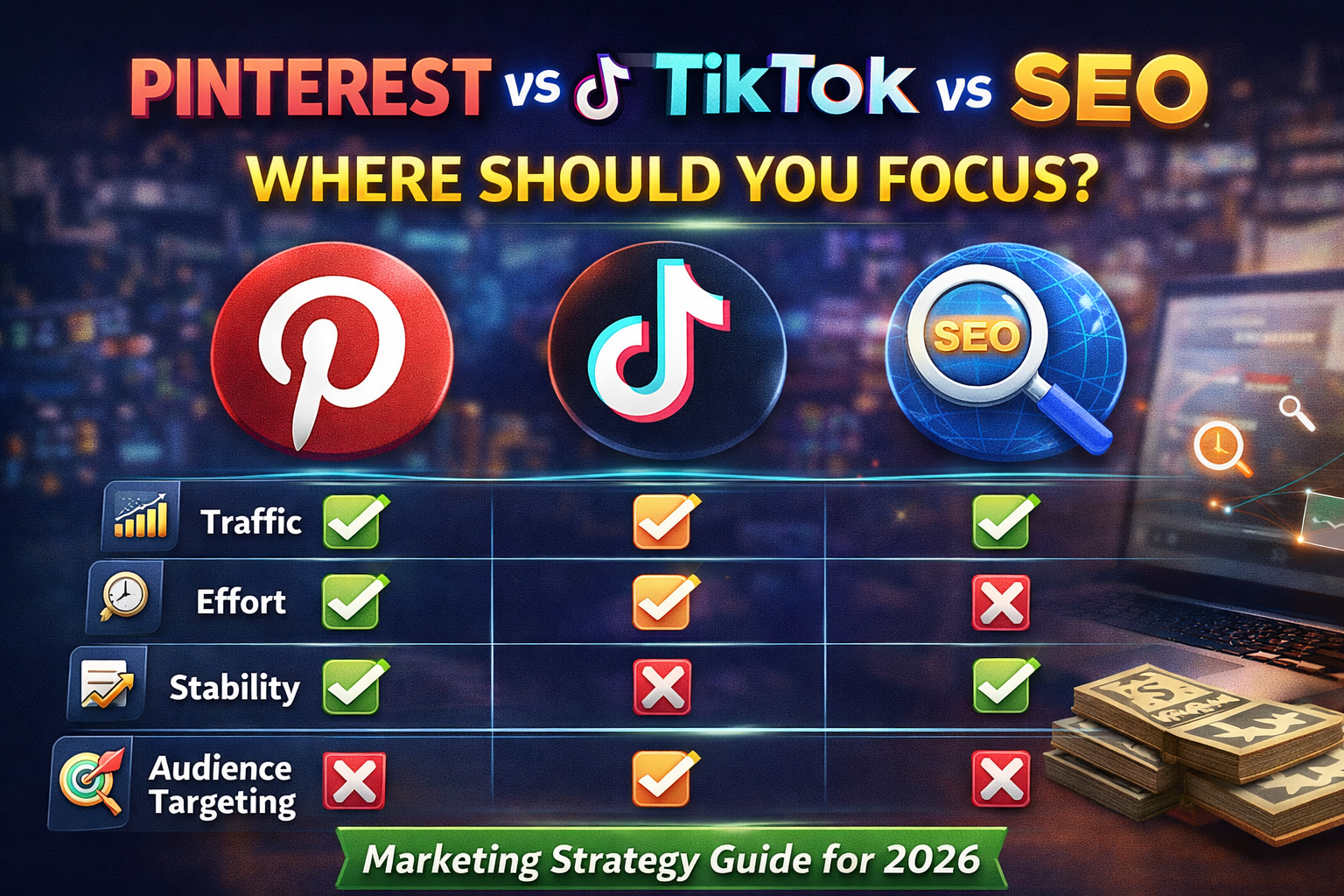
Choosing the right platform comes down to two things: where your audience already spends time and the type of content you can consistently create. Short-form video works incredibly well for affiliates right now, but only if you’re willing to show up regularly. Pinterest rewards long-term consistency. Email builds depth and trust. There’s no “best” platform—only the one you commit to long enough to understand. Give yourself a 90-day focus window. Post consistently, track what converts, and refine your approach. Once that platform starts producing results, then you can expand. Until then, depth beats reach every time—and your affiliate income will thank you for it.
My Best Recommended & Proven Way to Make $100-$300 Daily – Watch This FREE Video to START >>>
Track, Test, and Optimize for Conversions
If affiliate marketing were a video game, tracking would be the scoreboard. Without it, you’re just pressing buttons and hoping something works. Many affiliates rely on vibes—“This post felt good” or “That reel got a lot of views”—but views don’t pay the bills. Conversions do. And you can’t improve what you’re not measuring. Tracking isn’t about becoming a data scientist; it’s about knowing what’s actually moving people from curiosity to commission.
Start by focusing on a few key metrics that matter. Click-through rate shows whether your content is compelling. Conversion rate reveals whether the offer matches the audience. Earnings per click tells you which links are worth your time. When you track these numbers, patterns start to appear. You’ll notice which hooks pull people in, which platforms perform best, and which offers quietly outperform the rest. Suddenly, affiliate marketing stops feeling random and starts feeling strategic.
Testing is where growth accelerates. Small tweaks can create big wins—changing a headline, adjusting a call-to-action, or reframing a piece of content from “what it does” to “what problem it solves.” You don’t need to test everything at once. Change one variable, let it run, and compare results. Keep what works. Let go of what doesn’t (even if you personally loved it). Optimization isn’t about perfection; it’s about progress. When you track results, test ideas, and double down on what converts, you stop chasing new strategies every week. Instead, you build a system that improves over time—and that’s how affiliate income becomes consistent instead of accidental.
Conclusion
Affiliate marketing doesn’t fail because it’s “too saturated” or because the algorithm is out to get you. It usually fails because most people try to skip the boring—but necessary—parts. They rush to drop links, jump platforms too quickly, or copy strategies without understanding why they work. The good news? You don’t need more hacks, secret tools, or overnight miracles. You need a clear strategy and the patience to apply it consistently.
When you build trust before promoting, focus on solving real problems, guide people through content funnels, commit to mastering one platform, and actually track what converts, affiliate marketing becomes far less chaotic. Instead of guessing, you’re making informed decisions. Instead of chasing clicks, you’re building relationships. And instead of hoping for commissions, you’re creating systems that produce them. None of these strategies are complicated—but together, they’re powerful.
The real advantage comes from execution. Pick one or two strategies from this guide and implement them fully before moving on to the next. Give them time to work. Pay attention to the data. Refine your approach. Affiliate marketing rewards those who treat it like a business, not a lottery ticket. Do that, and you’ll stop asking whether affiliate marketing works—and start asking how to scale what’s already converting.
My Best Recommended & Proven Way to Make $100-$300 Daily – Watch This FREE Video to START >>>