Affiliate marketing used to look like a full-time juggling act. You had to research products, write blog posts, create social media content, analyze keywords, track links, and somehow still find time to sleep. For beginners, it often felt like trying to build an online business with nothing but determination and a very large coffee. But in 2026, the game has changed. Artificial intelligence has stepped in to handle many of the repetitive and time-consuming tasks that once slowed affiliate marketers down. Instead of spending hours staring at a blank screen wondering what to write, AI tools can help generate ideas, draft content, analyze search trends, and even help optimize your marketing strategy.
Affiliate marketing itself is a simple concept: you promote products or services online and earn a commission when someone makes a purchase through your unique link. The challenge has never been the concept—it’s been the execution. Creating consistent content, attracting traffic, and converting readers into buyers takes time and strategy. This is where AI tools are making a huge impact. From writing blog articles and generating social media posts to researching profitable niches and improving SEO, AI can help beginners work smarter rather than harder. Think of AI as your digital assistant—minus the salary and coffee breaks.
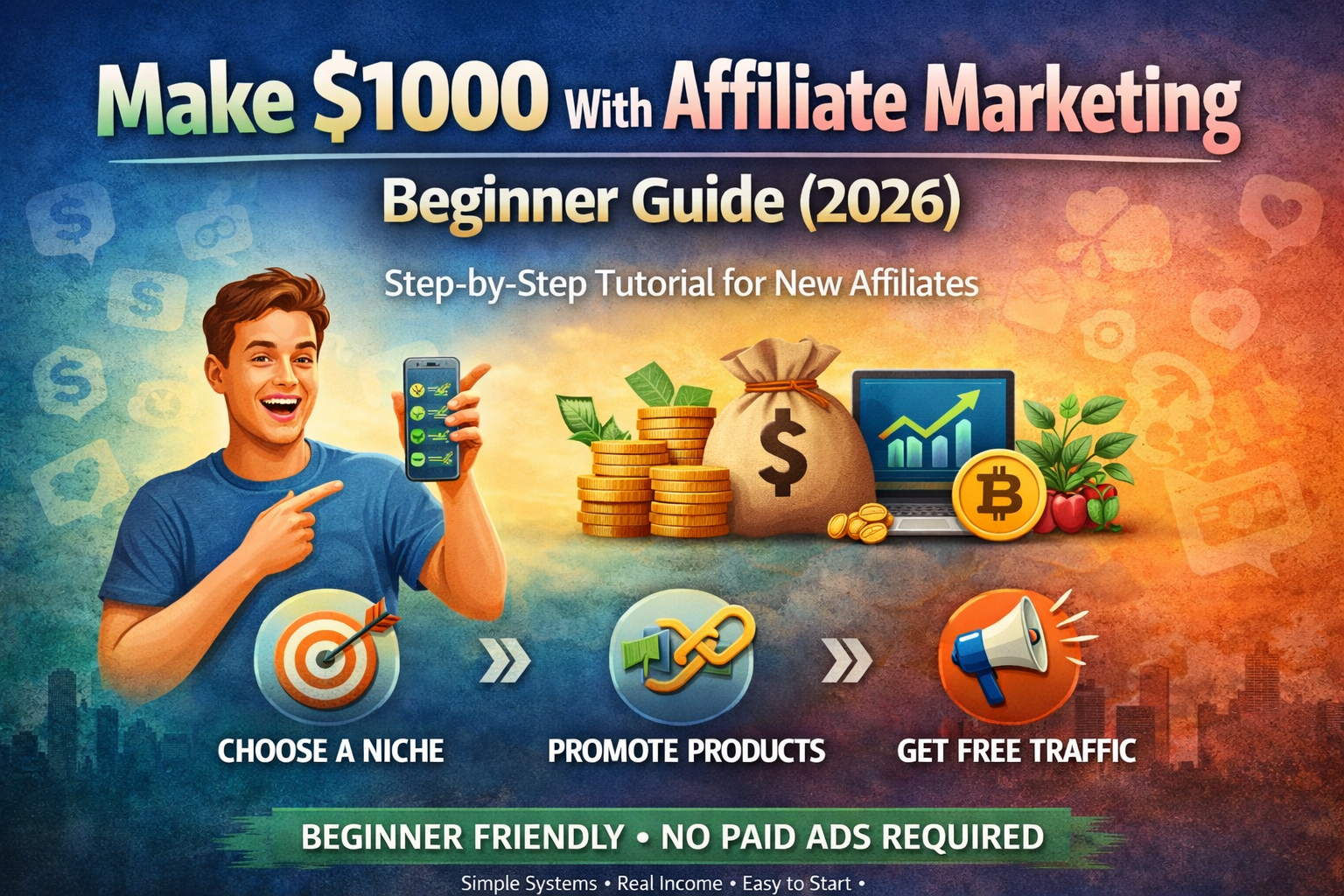
In this guide, you’ll learn how affiliate marketing and artificial intelligence work together to automate some of the most important parts of an online business. We’ll explore how beginners can use AI tools to create content faster, attract more traffic, and increase affiliate sales without feeling overwhelmed. Whether you’re just getting started or looking for ways to streamline your workflow, understanding how to use AI effectively could turn affiliate marketing from a complicated side hustle into a much more manageable—and profitable—online venture.
My Best Recommended & Proven Way to Make $100-$300 Daily – Watch This FREE Video to START >>>
What Is Affiliate Marketing and How AI Is Changing It
At its core, affiliate marketing is one of the simplest business models on the internet. The concept is straightforward: you promote someone else’s product or service, and when a person buys through your unique affiliate link, you earn a commission. Think of it as being a digital middleman—but in a good way. You don’t need to create the product, manage inventory, handle shipping, or deal with customer support. Your main role is to help connect the right audience with the right product. If they buy, you get paid. It’s essentially referral marketing with a technology upgrade.
Traditionally, affiliate marketing required a lot of manual work. Marketers had to research profitable niches, write blog posts from scratch, spend hours brainstorming social media content, and manually study SEO trends to figure out what people were searching for. Building traffic alone could feel like trying to push a very heavy cart uphill—while blindfolded. Many beginners gave up before they even made their first sale simply because the process felt overwhelming.
This is where artificial intelligence is dramatically changing the landscape. AI tools now help automate many of the tasks that once took hours or even days to complete. For example, AI can assist with keyword research, generate blog outlines, draft product reviews, and even suggest high-performing content ideas based on current trends. Instead of starting with a blank page, marketers can use AI to generate a strong first draft and then refine it with their own voice and insights.
AI is also transforming how affiliate marketers analyze data and understand their audiences. Modern AI-powered tools can evaluate search trends, predict which topics are gaining popularity, and identify the types of content most likely to attract traffic. This means affiliate marketers can make smarter decisions about what products to promote and what type of content to create. In other words, AI helps remove some of the guesswork that used to dominate online marketing.
Another major shift is the ability to scale content production. With the help of AI, a single affiliate marketer can create blog posts, social media captions, email newsletters, and even video scripts much faster than before. Instead of spending an entire day writing one article, marketers can focus more on strategy, audience engagement, and optimizing their affiliate funnels. The result is a more efficient workflow—and hopefully fewer late-night battles with writer’s block.
That said, AI isn’t replacing affiliate marketers—it’s empowering them. Successful affiliates still need creativity, strategy, and a genuine understanding of their audience. AI simply acts as a powerful assistant that helps speed up the process and improve productivity. When used correctly, it allows beginners to compete with larger marketers by producing high-quality content and marketing campaigns without needing a massive team or budget.
In short, affiliate marketing remains the same at its foundation—promote valuable products and earn commissions—but AI is making the journey faster, smarter, and a little less stressful. And if technology can help marketers spend less time staring at blinking cursors on blank documents, that might be one of the best upgrades of all.
My Best Recommended & Proven Way to Make $100-$300 Daily – Watch This FREE Video to START >>>
Best AI Tools for Affiliate Marketing
One of the biggest advantages of using AI in affiliate marketing is the wide variety of tools that can help simplify nearly every part of the process. Instead of trying to do everything manually—researching keywords, designing graphics, writing articles, and creating videos—AI tools can help streamline these tasks and significantly reduce the time required to produce quality content. Think of AI tools as your small but extremely productive digital team that works around the clock (and never asks for vacation days).
The first category of tools many affiliate marketers rely on is AI content creation tools. These tools help generate blog posts, product reviews, email newsletters, and social media captions. Rather than staring at a blank page wondering how to start, AI can provide structured drafts, headlines, and outlines that you can refine and personalize. This makes content creation faster and far less intimidating for beginners.
Another helpful category is AI design tools. Visual content plays a major role in online marketing, especially on platforms like Instagram, Pinterest, and TikTok. AI-powered design tools can help create social media graphics, thumbnails, promotional images, and even presentation slides. Instead of spending hours learning complicated design software, marketers can quickly produce polished visuals that attract attention and support their affiliate promotions.
AI video tools are also becoming increasingly popular, especially for those who prefer faceless content. These tools can turn scripts into short videos, generate voiceovers, or help create simple animations. Since video content continues to dominate social media platforms, AI video tools allow affiliate marketers to participate in video marketing without needing expensive equipment or professional editing skills.
Finally, there are AI SEO and research tools, which help marketers understand what people are actually searching for online. These tools analyze keywords, identify trending topics, and evaluate competitor content. With this information, affiliate marketers can create content that is more likely to rank in search engines and attract consistent traffic.
Step-by-Step: How to Start Affiliate Marketing Using AI
Starting affiliate marketing with AI tools doesn’t require advanced technical skills. In fact, AI often simplifies the process for beginners by providing guidance and automation along the way. The key is to follow a clear and structured approach.
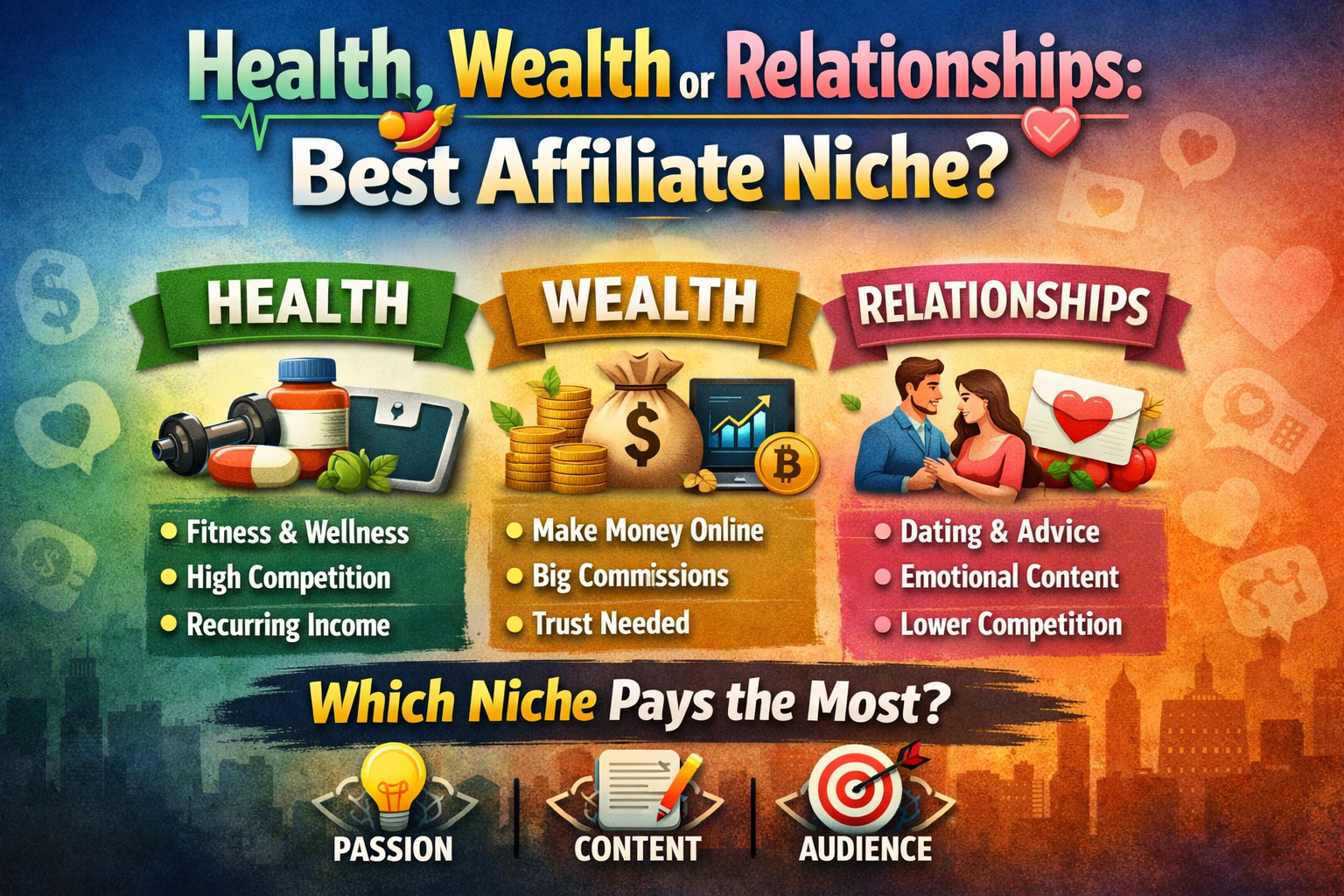
The first step is choosing a profitable niche. A niche is simply the topic or market you want to focus on. Popular niches include health, personal finance, digital tools, education, and lifestyle products. AI research tools can help identify trending topics and reveal what audiences are actively searching for, making it easier to select a niche with strong demand.
Once you have chosen a niche, the next step is finding affiliate programs. Many companies offer affiliate partnerships that allow marketers to earn commissions by promoting their products. These programs can include software tools, online courses, digital products, or physical items. Selecting products that genuinely provide value to your audience increases the likelihood of earning consistent commissions.
After selecting affiliate products, it’s time to create content using AI tools. Content is the bridge that connects your audience to the products you promote. AI can help generate blog posts, write product comparisons, develop video scripts, and produce social media captions. Instead of spending hours drafting content from scratch, marketers can focus on refining and personalizing the material to better serve their audience.
The next step is publishing content on platforms where your audience spends time. These platforms may include blogs, YouTube channels, Instagram pages, TikTok accounts, or Pinterest boards. Each platform offers opportunities to share helpful information and naturally introduce affiliate products within your content.
Finally, marketers should include affiliate links and clear calls-to-action. These links allow readers or viewers to learn more about the product and complete a purchase if they are interested. A simple suggestion, recommendation, or helpful review can often guide potential customers toward making a decision.
My Best Recommended & Proven Way to Make $100-$300 Daily – Watch This FREE Video to START >>>
How AI Helps Generate Traffic for Affiliate Links
Traffic is the lifeblood of affiliate marketing. Without visitors, even the best affiliate offers remain unseen. Fortunately, AI tools can help marketers generate and manage traffic more effectively by improving content visibility and engagement.
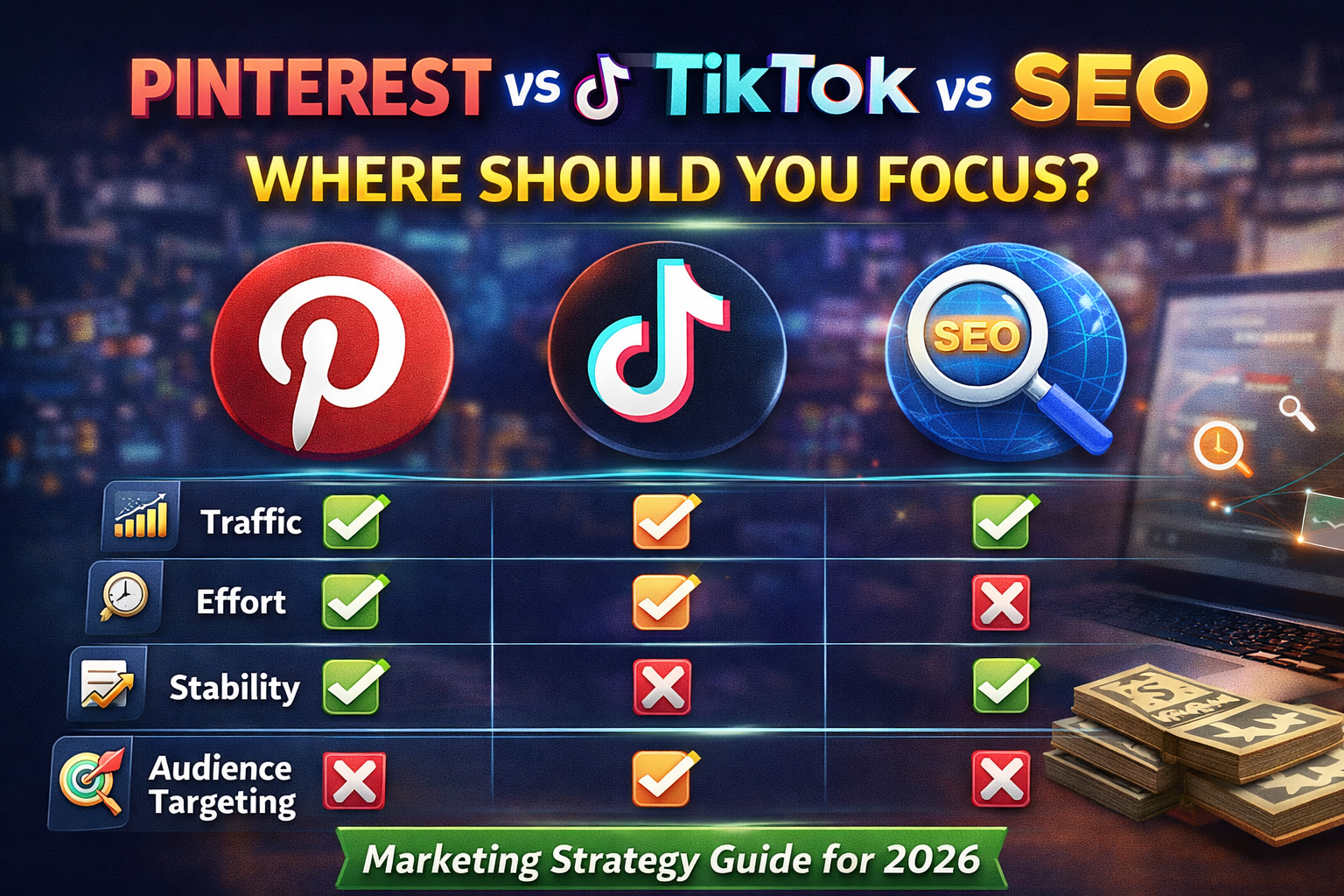
One of the most powerful ways AI supports traffic generation is through search engine optimization (SEO). AI-powered SEO tools analyze search data and identify keywords that people frequently type into search engines. By incorporating these keywords naturally into blog posts and website content, affiliate marketers can improve their chances of appearing in search results and attracting organic traffic.
AI also helps create engaging social media content. Platforms like Instagram, TikTok, and Pinterest thrive on consistent posting and creative content ideas. AI tools can generate caption ideas, suggest trending hashtags, and even provide video script concepts designed to increase engagement. This allows marketers to maintain a steady flow of content without constantly struggling to find new ideas.
Another important traffic strategy involves email marketing, which AI tools can also help automate. Email remains one of the most effective marketing channels because it allows marketers to communicate directly with their audience. AI can assist in writing newsletters, generating promotional emails, and scheduling automated sequences that nurture subscribers over time.
By combining SEO, social media, and email marketing strategies, affiliate marketers can build multiple traffic sources that work together to promote affiliate products and increase visibility.
Common Mistakes When Using AI for Affiliate Marketing
While AI tools offer tremendous advantages, they are not a magic solution that guarantees instant success. Like any technology, they work best when used thoughtfully and strategically. Understanding common mistakes can help beginners avoid unnecessary setbacks.
One frequent mistake is publishing AI-generated content without editing or personalizing it. AI can produce helpful drafts, but it is still important for marketers to review the content, add personal insights, and ensure accuracy. Content that feels robotic or generic may struggle to build trust with readers.
Another mistake is promoting too many products at once. Beginners sometimes believe that sharing dozens of affiliate links will increase their chances of earning commissions. In reality, focusing on a few well-chosen products that truly benefit the audience often leads to better results.
Some marketers also ignore SEO optimization, assuming that simply publishing content will attract traffic. However, search engines rely on keywords, structure, and relevance to determine which content appears in search results. AI SEO tools can help guide this process, but marketers still need to apply those insights consistently.
Another common oversight is failing to build an email list. Social media platforms and search engines can change their algorithms at any time, but an email list provides a direct line of communication with your audience. Building a subscriber base creates a long-term marketing asset that remains under your control.
Finally, some beginners attempt to rely entirely on AI without developing a strategy. AI tools are incredibly useful, but they should support a clear marketing plan rather than replace it. Successful affiliate marketers combine technology with creativity, thoughtful product recommendations, and a genuine understanding of their audience’s needs.
When used correctly, AI can make affiliate marketing more efficient, scalable, and accessible for beginners. But like any tool, its true power comes from how thoughtfully it is applied.
Conclusion
Affiliate marketing has always been an attractive way to build an online income because of its simplicity. You don’t need to manufacture products, manage inventory, or run a customer support department from your kitchen table. Instead, your main job is to recommend helpful products and connect them with people who need them. The challenge, however, has traditionally been the amount of work required to create content, generate traffic, and consistently promote those products. For many beginners, that process felt overwhelming—like trying to run a small media company with a team of one.
That’s where artificial intelligence is changing the game. AI tools are helping affiliate marketers work smarter by simplifying many of the tasks that once took hours to complete. From generating blog outlines and social media captions to analyzing keywords and identifying trending topics, AI can dramatically speed up the workflow. Instead of struggling with writer’s block or spending days researching ideas, marketers can use AI as a powerful assistant that helps turn ideas into content more efficiently.
However, it’s important to remember that AI is still just a tool. The most successful affiliate marketers combine AI-powered efficiency with human creativity, authenticity, and strategy. Readers still want helpful advice, honest recommendations, and content that feels genuine rather than robotic. AI can help you create the foundation, but your insights, experiences, and understanding of your audience are what truly build trust.
For beginners, this combination of affiliate marketing and AI tools opens the door to opportunities that didn’t exist just a few years ago. Starting an online business is now more accessible than ever. With the right niche, valuable content, and a few well-chosen AI tools, it’s possible to build a system that consistently attracts traffic and generates affiliate commissions over time.
In other words, affiliate marketing using AI tools isn’t about replacing human effort—it’s about amplifying it. And if AI can help you spend less time wrestling with blank documents and more time building a successful online business, that’s a partnership worth embracing.
My Best Recommended & Proven Way to Make $100-$300 Daily – Watch This FREE Video to START >>>