Starting affiliate marketing often comes with one big assumption: you need a website before you can earn a single commission. For many beginners, that idea alone is enough to make the whole process feel intimidating. Building a website can sound expensive, technical, and time-consuming—especially if you’re not exactly a web developer or if the phrase “install a plugin” makes you slightly nervous. The good news is that in today’s digital world, a website is no longer a requirement to start affiliate marketing. In fact, many successful affiliates are earning commissions using platforms they already use every day, such as social media, video platforms, and online communities.
Affiliate marketing itself is surprisingly simple. You promote a product or service using a unique affiliate link, and when someone makes a purchase through that link, you earn a commission. The real challenge isn’t understanding the concept—it’s figuring out where and how to share those recommendations effectively. Fortunately, the internet has evolved far beyond traditional blogs and websites. Platforms like Instagram, TikTok, Pinterest, and YouTube now allow creators to share helpful content, build audiences, and recommend products directly to people who are already interested in what they’re talking about. In other words, you can start promoting affiliate products without ever touching a website builder or worrying about hosting plans.
This guide will walk you through how beginners can start affiliate marketing without a website in 2026 using tools and platforms that are simple to access and easy to learn. We’ll explore where to promote affiliate links, how to create content that attracts attention, and the steps you can take to begin earning commissions online. And don’t worry—you won’t need coding skills, a tech degree, or a secret handshake with Silicon Valley to get started. Just a clear strategy, a little consistency, and maybe a good cup of coffee while you’re building your first affiliate marketing system.

My Best Recommended & Proven Way to Make $100-$300 Daily – Watch This FREE Video to START >>>
What Is Affiliate Marketing and How It Works
Affiliate marketing is essentially a modern version of word-of-mouth marketing, except the recommendation happens online—and you get paid for it. The concept is simple: a company gives you a unique affiliate link that tracks the customers you refer. When someone clicks your link and purchases a product or service, you earn a commission. That commission can range anywhere from a few dollars to hundreds of dollars depending on the product.
The process usually follows a straightforward path. First, you join an affiliate program offered by a company or platform. After approval, you receive your unique tracking links for specific products. Then you share those links in your content—such as social media posts, videos, or email messages. If someone clicks your link and buys the product, the system tracks the purchase and credits the commission to your affiliate account.
What makes affiliate marketing appealing is that you don’t have to create a product, manage inventory, or handle customer service. Your role is to introduce helpful products to the right audience. Many affiliate marketers focus on recommending tools, software, digital courses, or everyday products that solve common problems. In other words, you’re acting as a helpful guide rather than a salesperson—which tends to work much better in the long run.
Best Platforms to Promote Affiliate Links Without a Website
The good news for beginners is that there are plenty of platforms where affiliate marketing can thrive without needing a website. Social media has become one of the most powerful places to promote affiliate products because it allows creators to connect directly with an audience.
Platforms like Instagram, TikTok, Pinterest, Facebook, and YouTube provide opportunities to share tutorials, reviews, and helpful tips related to products you recommend. For example, a short video demonstrating how a product works can attract viewers who are already interested in the solution. Instead of sending them to a blog post, you can guide them directly to an affiliate link.
One helpful tool many marketers use is a link-in-bio platform, such as Beacons, Linktree, or similar tools. These tools allow you to place multiple links inside one simple page that sits in your social media bio. Since most platforms limit the number of links you can share, a link-in-bio page acts as a central hub for all your affiliate recommendations.
Another place affiliate marketing works well is inside online communities. Forums, Facebook groups, and niche communities often contain people asking questions and looking for recommendations. When someone asks for advice and you share a helpful solution—along with an affiliate link—it can generate highly targeted traffic. The key is to focus on being helpful rather than promotional.
My Best Recommended & Proven Way to Make $100-$300 Daily – Watch This FREE Video to START >>>
Step-by-Step: How to Start Affiliate Marketing Without a Website
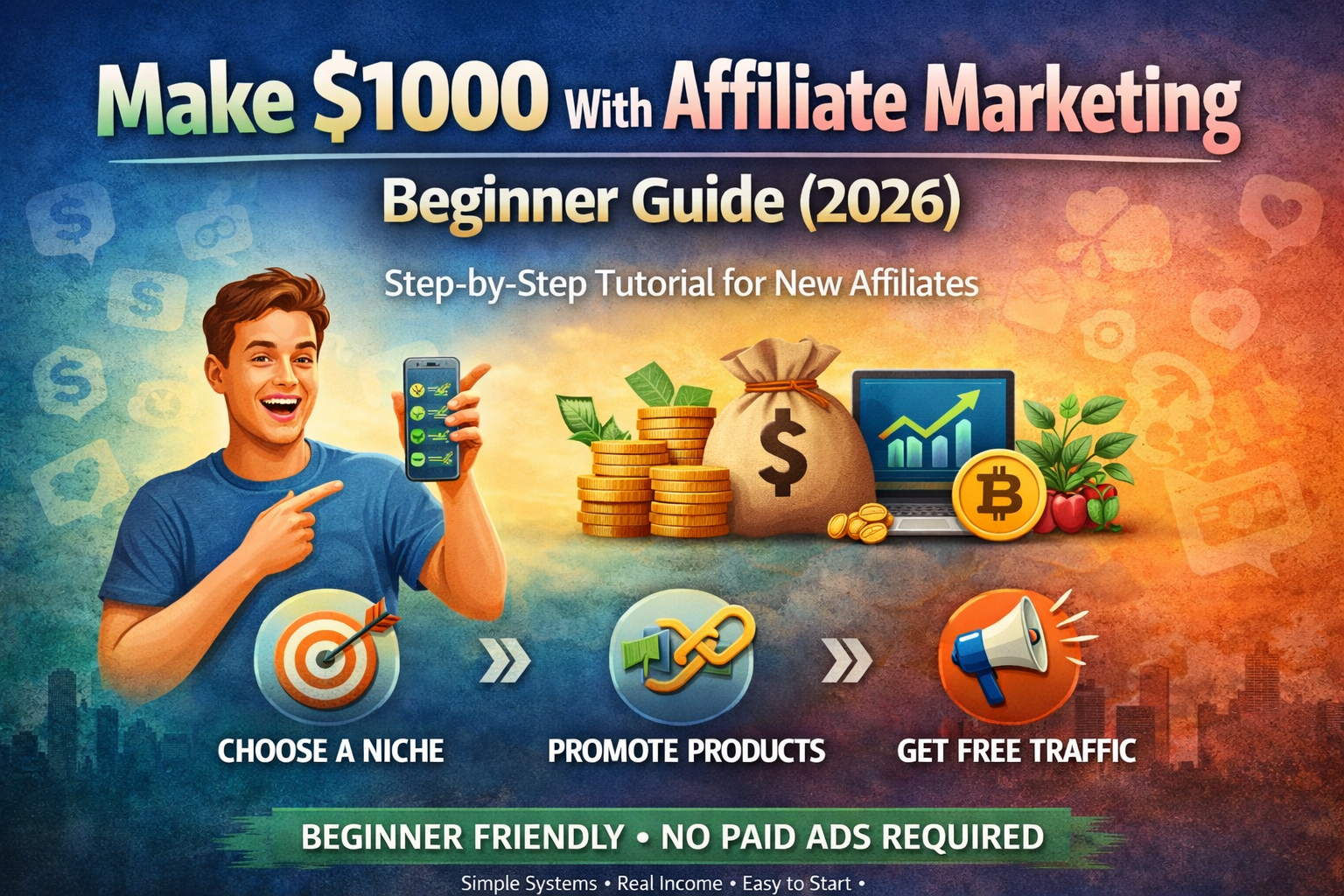
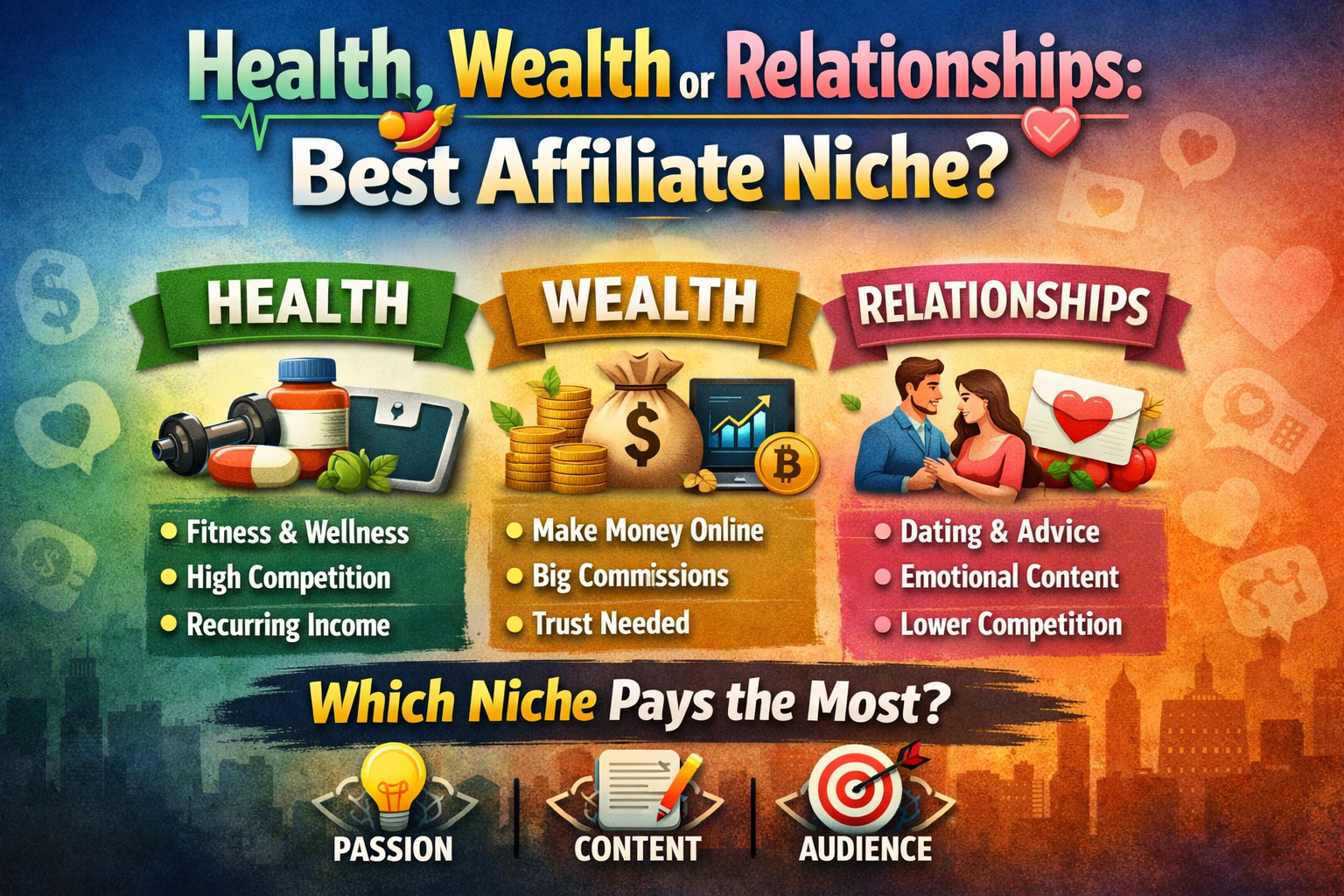
Starting affiliate marketing without a website becomes much easier when you follow a clear process. The first step is choosing a niche, which simply means selecting a specific topic or market to focus on. Popular niches include health and wellness, personal finance, technology tools, education, and digital products. A focused niche helps attract an audience that is interested in the same types of solutions.
Once you have chosen a niche, the next step is joining affiliate programs that offer products related to that topic. Many companies provide affiliate partnerships for software tools, training programs, digital products, and consumer goods. After approval, you will receive affiliate links that track the customers you refer.
The next step is creating valuable content. Content is how people discover your recommendations. This could include short videos, helpful tutorials, product comparisons, or simple tips that address common problems in your niche. Instead of directly pushing a product, the goal is to show how the product solves a real issue.
After creating content, you can share your affiliate links strategically. These links may appear in your bio link page, video descriptions, pinned comments, or captions. When viewers find your content helpful, they are far more likely to click your link and explore the product.
Finally, the most important step is building trust with your audience. Affiliate marketing works best when people believe your recommendations are genuine. Sharing honest experiences, helpful information, and useful advice helps build that trust over time.
My Best Recommended & Proven Way to Make $100-$300 Daily – Watch This FREE Video to START >>>
How to Generate Traffic Without a Website
Traffic is the fuel that powers affiliate marketing. Without visitors seeing your content, affiliate links won’t generate clicks or sales. Fortunately, several methods can help beginners generate traffic without needing a website.
One of the most effective strategies is consistent social media content. Educational posts, tutorials, and problem-solving content tend to perform well because they offer value to the audience. Instead of focusing only on promotion, successful affiliate marketers create content that teaches, informs, or entertains.
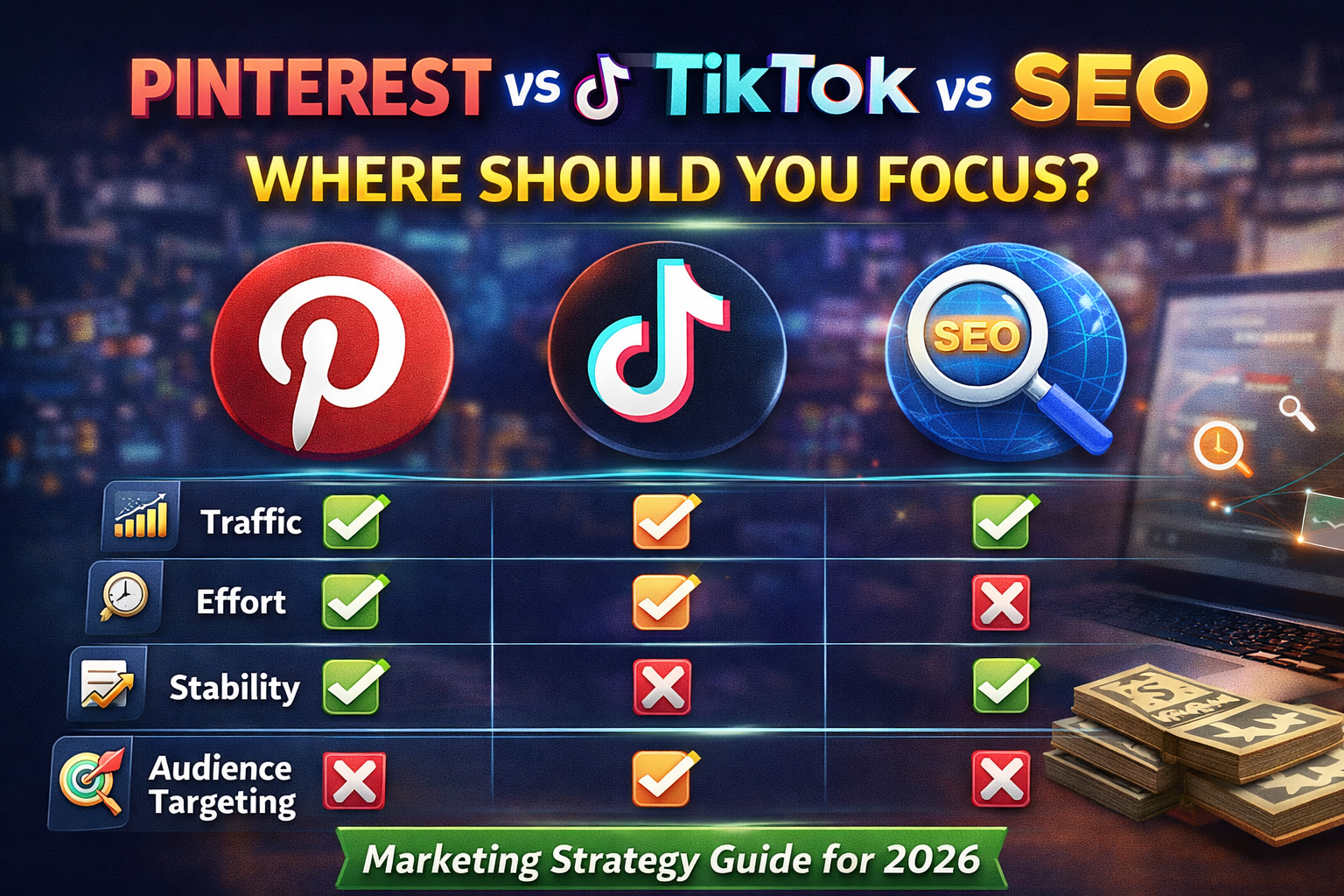
Another powerful approach is short-form video content. Platforms like TikTok, Instagram Reels, and YouTube Shorts allow creators to reach large audiences quickly. Short videos demonstrating products, explaining tips, or sharing quick insights can attract viewers who are already searching for solutions.
Email marketing is another valuable strategy. By offering a free resource—such as a guide, checklist, or tips sheet—you can encourage people to join your email list. Once someone subscribes, you can send helpful content and occasional product recommendations directly to their inbox.
Platforms like Pinterest also offer long-term traffic potential. Unlike fast-moving social feeds, Pinterest posts can continue attracting viewers for months or even years. Informational pins, tutorials, and product recommendations can direct users to your affiliate links through your bio or landing page.
My Best Recommended & Proven Way to Make $100-$300 Daily – Watch This FREE Video to START >>>
Common Mistakes Beginners Should Avoid
While affiliate marketing is relatively simple to start, beginners sometimes make mistakes that slow their progress. One of the most common mistakes is spamming affiliate links without providing helpful content. People rarely respond well to constant promotion. Instead, they are more likely to engage with useful information and genuine recommendations.
Another mistake is promoting too many products at once. Beginners sometimes believe that sharing dozens of affiliate links will increase their chances of making sales. In reality, focusing on a smaller number of quality products often leads to better results because it builds credibility and trust.
Some marketers also ignore the importance of building an audience. Affiliate marketing is not just about links—it’s about relationships. Creating helpful content and interacting with your audience helps build a community that values your recommendations.
Another common issue is choosing a niche without researching demand. If very few people are interested in the topic, generating traffic becomes much more difficult. Researching trends and understanding audience interests can help avoid this problem.
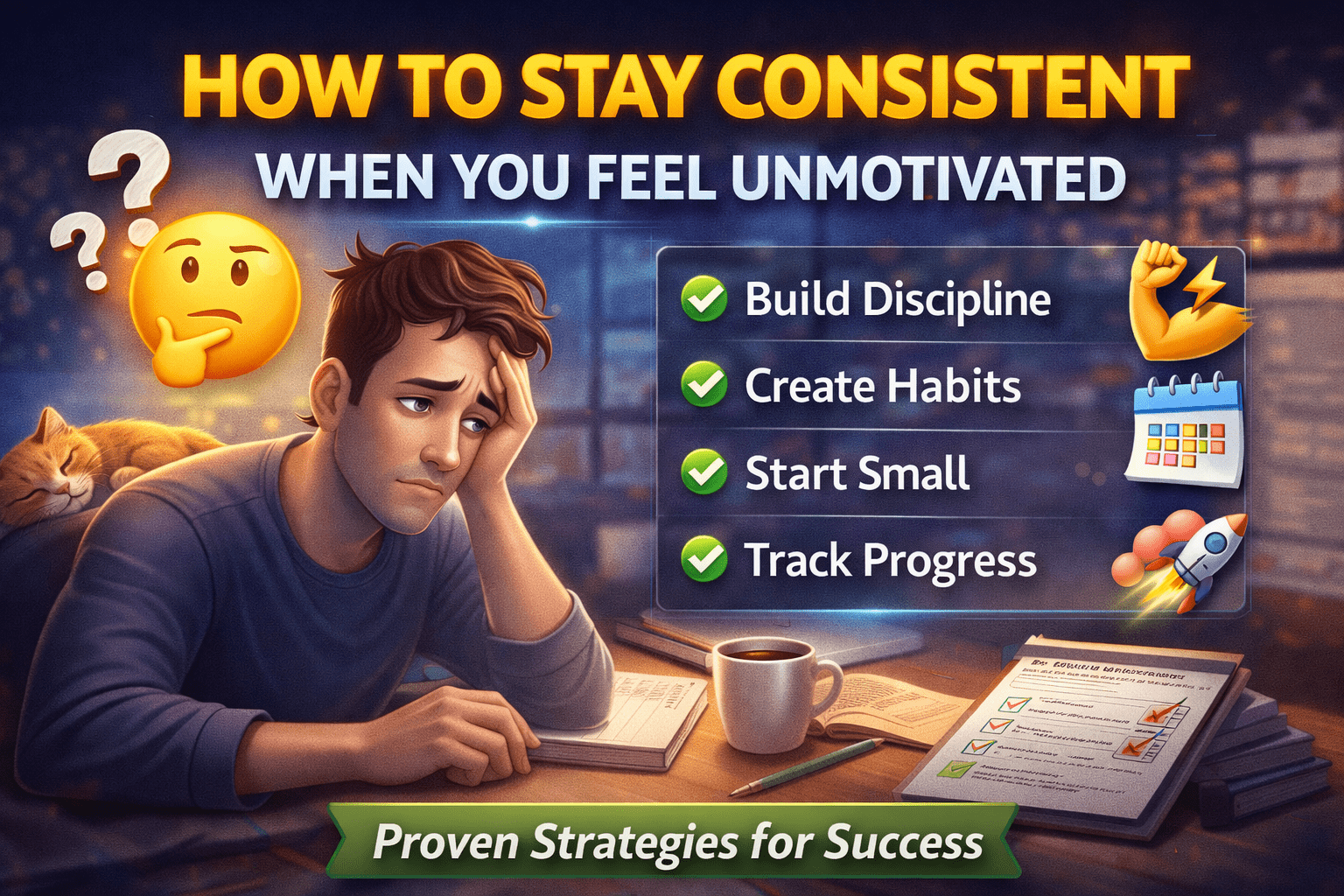
Finally, beginners sometimes expect instant results. Like most online businesses, affiliate marketing takes time to grow. Consistency, patience, and continuous learning are key ingredients for long-term success.
Conclusion
Affiliate marketing without a website may sound unconventional at first, but it has become increasingly common in today’s social-media-driven internet. With platforms like Instagram, TikTok, YouTube, and Pinterest, creators now have direct access to audiences who are actively searching for information, recommendations, and solutions to everyday problems. This shift means beginners no longer need to worry about building a website before getting started. Instead, they can focus on creating helpful content and connecting with people where they already spend time online.
The key to success lies in choosing the right niche, joining relevant affiliate programs, and consistently sharing valuable content that builds trust with your audience. Whether it’s a quick tutorial video, a helpful tip on social media, or a thoughtful product recommendation, content that genuinely helps people tends to perform best. Over time, these small pieces of content can attract traffic, generate clicks, and lead to affiliate commissions.
Most importantly, affiliate marketing should be approached with patience and authenticity. It’s not about flooding the internet with links—it’s about recommending solutions that truly benefit your audience. When done correctly, affiliate marketing without a website can become a flexible and scalable online income stream. And while the journey may require effort and consistency, the good news is that you can begin today using tools and platforms that are already at your fingertips.