If you’ve been researching ClickBank affiliate marketing, you’ve probably encountered the same question over and over again: Do I need a website to get started? For many beginners, the idea of building a website can feel like a major obstacle. Between domain names, hosting plans, plugins, and mysterious technical terms that sound like they were invented by computer engineers during a late-night brainstorming session, the whole process can seem a bit overwhelming. It’s enough to make some people wonder if they need a web developer, a large budget, and possibly a strong cup of coffee just to begin promoting affiliate products.
The good news is that while websites can be extremely helpful for affiliate marketing, they are not always required—especially when starting with platforms like ClickBank. ClickBank is one of the largest affiliate marketplaces online, offering thousands of digital products that affiliates can promote for commissions that often range from 50% to 75% per sale. Traditionally, many affiliates used blogs or websites to review these products and attract traffic through search engines. However, the internet has evolved, and today there are many other ways to reach audiences without owning a website.
Social media platforms, video content, email marketing, and online communities now allow affiliates to promote products and connect with potential buyers in creative ways. Many successful affiliates generate traffic through platforms like Instagram, TikTok, YouTube, or Pinterest—sometimes without ever touching a website builder. In this article, we’ll explore whether you truly need a website for ClickBank affiliate marketing, the advantages of having one, and the alternative strategies beginners can use to start promoting products right away. By the end, you’ll have a clearer understanding of your options—and hopefully feel less intimidated by the idea that launching an affiliate marketing journey requires a full-scale tech project.
My Best Recommended & Proven Way to Make $100-$300 Daily – Watch This FREE Video to START >>>
What Is ClickBank Affiliate Marketing and How It Works
Before deciding whether you need a website, it helps to understand how ClickBank affiliate marketing actually works. ClickBank is an online marketplace where vendors list digital products—things like online courses, training programs, memberships, and downloadable guides. Affiliates, on the other hand, promote these products and earn a commission whenever someone makes a purchase through their unique affiliate link.
The process is fairly simple. First, you create a free ClickBank account. Once you’re inside the marketplace, you can browse products by category and choose offers that match your niche or audience. After selecting a product, ClickBank generates a special affiliate link that tracks any sales coming from your promotion. When someone clicks that link and buys the product, ClickBank records the sale and credits the commission to your account.
One reason ClickBank is popular among beginners is its high commission rates. Many products offer payouts between 50% and 75%, which means affiliates can earn significant commissions even with a relatively small number of sales. Because the products are digital, you don’t have to deal with inventory, shipping, or customer support. Your job is simply to connect people who need a solution with a product that provides it.
Why Many Affiliate Marketers Use Websites
While a website is not strictly required for ClickBank affiliate marketing, many affiliates choose to use one because of the advantages it provides. A website acts as your own online space where you can publish content, share recommendations, and build a long-term audience.
One major benefit of having a website is control. Social media platforms frequently change their algorithms, which can affect how many people see your content. With a website, you own the platform and can publish articles, reviews, and guides without worrying about sudden changes in visibility.
Another advantage is search engine traffic. Websites allow you to create blog posts that rank on Google and other search engines. For example, articles reviewing ClickBank products or explaining helpful strategies can attract readers who are actively searching for solutions. Over time, these articles can generate consistent traffic without requiring daily posting.
Websites also allow you to write detailed product reviews. Instead of trying to explain everything in a short social media caption, you can create in-depth content that helps readers understand the product’s benefits and whether it fits their needs.
Finally, websites make it easier to build an email list. Email marketing remains one of the most effective ways to communicate with your audience and promote affiliate offers over time. By collecting email addresses through your website, you can build a direct connection with readers who trust your recommendations.
My Best Recommended & Proven Way to Make $100-$300 Daily – Watch This FREE Video to START >>>
How to Promote ClickBank Products Without a Website
If the idea of building a website feels intimidating, don’t worry—you can still promote ClickBank products using other platforms. Many affiliate marketers start without a website and focus on channels that are easier to set up and maintain.
Social media platforms like Instagram, TikTok, Facebook, Pinterest, and YouTube offer powerful opportunities to share content and introduce affiliate products to your audience. Instead of writing long blog posts, you can create short videos, helpful tips, tutorials, or product explanations related to your niche.
Another helpful tool is a link-in-bio page, which allows you to organize multiple affiliate links in one place. Tools such as Beacons, Linktree, or similar platforms create a simple page where followers can explore the products you recommend. When someone clicks the link in your bio, they are taken to a page that displays several resources or product suggestions.
Online communities can also be useful places to share helpful recommendations. Facebook groups, forums, and niche communities often contain people asking questions about topics you may already understand. By offering useful advice and sharing relevant products, you can introduce affiliate links in a way that feels helpful rather than promotional.
The key is to focus on providing value. When people trust your recommendations, they are much more likely to explore the products you share.
Best Traffic Strategies Without a Website
Generating traffic is one of the most important aspects of affiliate marketing. Even without a website, there are several strategies that can help you attract people who may be interested in the products you promote.
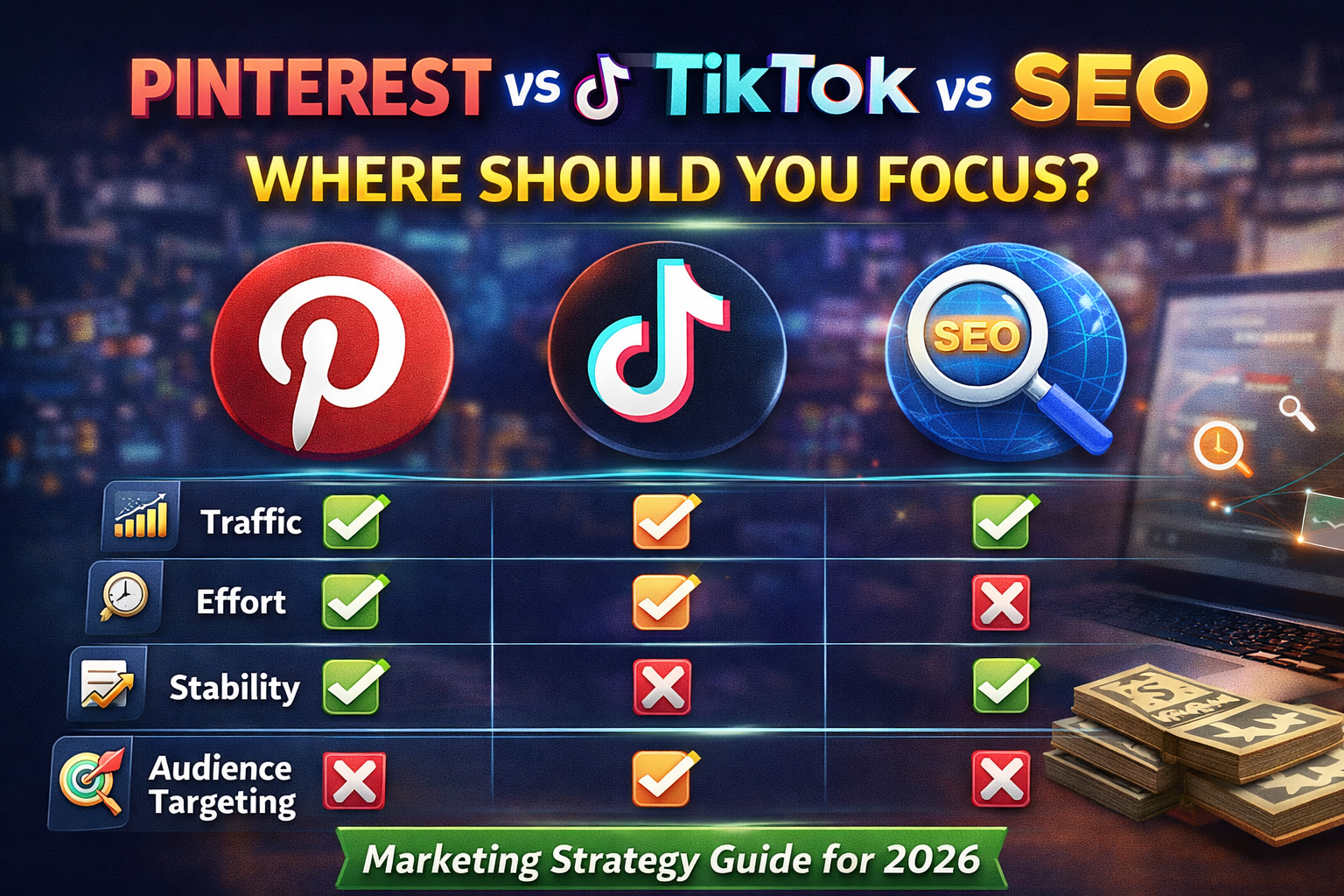
One effective method is short-form video content. Platforms like TikTok, Instagram Reels, and YouTube Shorts allow creators to share quick tips, demonstrations, and insights that attract viewers. Short videos explaining common problems or offering simple solutions can reach large audiences and spark interest in recommended products.
Another powerful strategy is email marketing. Even if you don’t have a full website, you can offer a simple resource such as a checklist, guide, or tips sheet that encourages people to join your email list. Once someone subscribes, you can send helpful content and occasionally introduce affiliate recommendations.
Pinterest can also be an excellent source of traffic. Unlike traditional social media feeds, Pinterest acts more like a visual search engine. Pins can continue attracting viewers long after they are posted, making it possible to generate traffic over time.
The key is consistency. Whether you are posting videos, sharing helpful posts, or sending emails, regular content helps build an audience that trusts your recommendations.
When You Should Consider Building a Website
Even though it’s possible to start affiliate marketing without a website, there may come a point when building one becomes beneficial. As your affiliate marketing efforts grow, a website can help you expand your strategy and create a more stable online presence.
A website becomes especially useful when you want to generate long-term traffic from search engines. Blog articles and product reviews can attract visitors for months or even years after they are published. This type of traffic is often highly targeted because readers are actively searching for solutions.
Websites are also helpful when promoting multiple products within a niche. Instead of sharing separate links across different platforms, you can organize your recommendations into helpful guides and comparison articles.
Another reason to build a website is brand building. A website allows you to create a professional online presence that reflects your expertise and credibility. Over time, this can strengthen trust with your audience.
Many successful affiliates start with social media or video content and later add a website once their audience grows. This gradual approach allows beginners to gain experience before investing time into building a larger platform.
Conclusion
So, do you need a website for ClickBank affiliate marketing? The short answer is no—but it can certainly help. Thanks to social media platforms, video content, and email marketing, beginners now have multiple ways to promote affiliate products without building a website from day one.
Starting without a website can actually be a great way to learn the basics of affiliate marketing. By creating helpful content, sharing useful recommendations, and interacting with your audience, you can begin generating traffic and commissions using platforms that are easy to access.
However, as your affiliate marketing efforts grow, adding a website can provide long-term advantages such as search engine traffic, detailed product reviews, and a stronger online brand. Think of a website as a valuable tool rather than a strict requirement.
In the end, the most important factor in affiliate marketing isn’t whether you have a website—it’s whether you are consistently providing helpful information and connecting people with solutions they need. And if you can do that effectively, a website simply becomes another powerful tool in your marketing toolbox rather than the starting line of the journey.
My Best Recommended & Proven Way to Make $100-$300 Daily – Watch This FREE Video to START >>>